Need stump grinding services in Wildwood?
Tell us about your tree and your home. A local provider can follow up with a written quote. No pressure and no obligation.
No obligation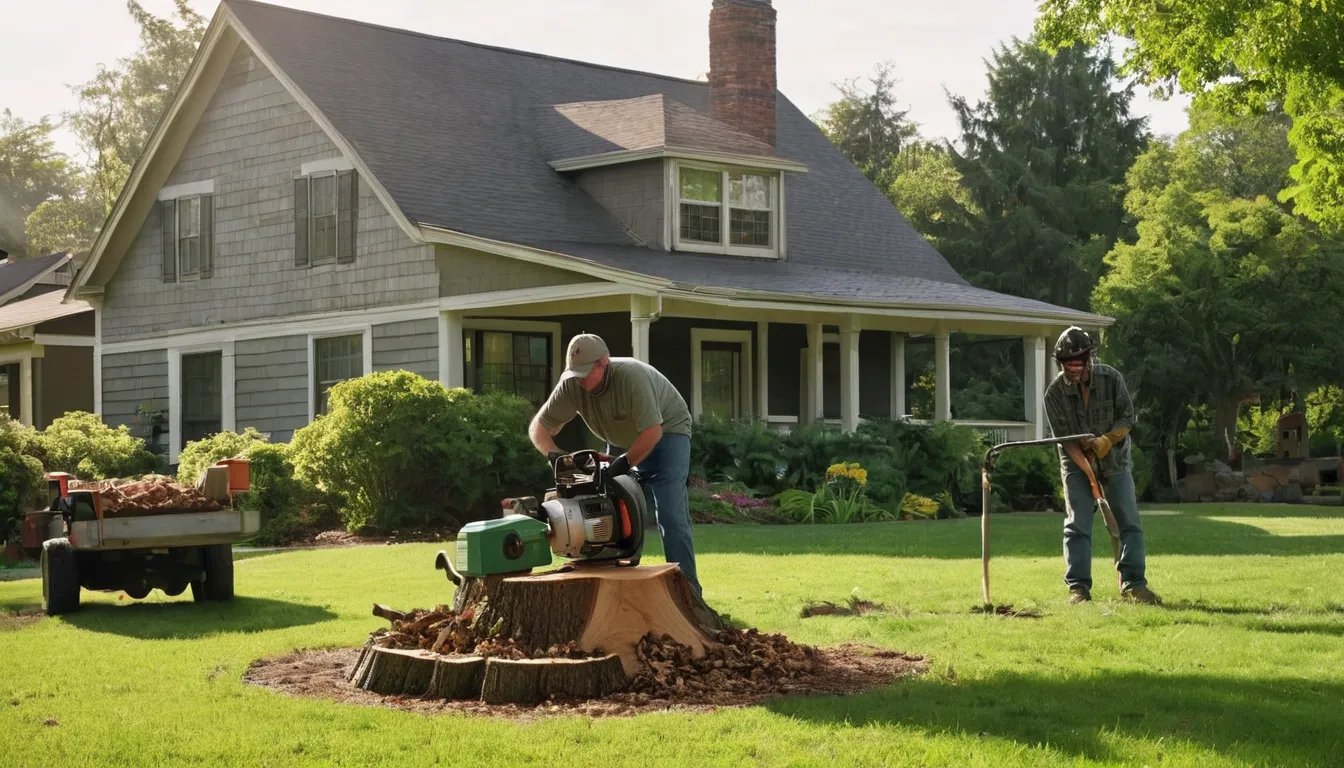
A stump looks harmless, but it can trip a child, dull a mower blade, and invite pests. It can also send up new shoots year after year. Stump grinding turns it into wood chips, so your yard feels like yours again.
Kitloans Tree Service is a referral service. It connects you with independent providers in the Wildwood area who do the grinding. Many work around older houses, where buried lines, old foundations and past repairs need extra care. A good provider will ask questions first and work slowly near anything hidden.
Take a breath. Gather a few photos and notes, then request an estimate when you are ready. You can compare what each provider says, ask about cleanup, and choose the one that fits your yard.
You have a stump, and it is bugging you. Maybe it is a leftover from a tree that came down years ago. Maybe it is fresh from a recent job. Either way, you do not need to rush into a decision. You just need a clear, gentle plan.
Stump grinding is the usual fix. A provider uses a machine to chew the stump down below the soil line. What is left is loose wood chips you can use or spread.
Some stumps can sit a while. Others should move up your list. Look at these first:
If any of these sound like your yard, ask providers about timing when you reach out.
A stump is more than an eyesore. Rotting wood can attract ants, termites and beetles. Those pests may wander toward a wood-framed house. Roots can also keep pushing at a path or slab.
In a humid summer, soft stumps grow fungus fast. In a cold winter, water gets into the cracks, freezes and splits the wood. Neither one is fun to leave alone.
Older houses hold surprises. Clay or cast iron pipes may sit shallow. Old drain lines for a sump pump may run where you would not guess. A past repair may have left a buried patch or a hidden pad.
A careful provider asks about these things before the machine starts. Older house, gentle plan. Tell them everything you know, even small details.
The provider clears loose rocks and debris around the stump. A grinder with a spinning wheel then sweeps side to side across the top. It cuts down in layers, usually a few inches below the ground.
The job is loud, but it is often finished in an hour or two for an average stump. Bigger stumps and thick roots take longer.
Grinding is quicker and leaves less mess. It costs less in most cases, too. Full removal pulls out the stump and the main roots. That leaves a large hole and can stir up your soil.
For most yards beside an older house, grinding is gentler. It leaves the ground mostly in place, so it is kinder to nearby pipes, patios and foundations. Ask the provider which fits your site.
Size matters most. Wide stumps take more time. Hard wood, many roots and tight spaces add effort. Several stumps in one visit often cost less each than a single stop.
You can see typical ranges in the table below. Always ask for a written quote, because every yard is different.
Sometimes a stump has been there for years. The wood is dry and hard, or it is half rotted. Old stumps can hide nails, wire, rocks or even bits of old fencing. These can damage the grinder, so tell the provider if you know of any.
If the stump came from a previous removal, share what you remember. Who did it, when it happened and any repairs afterward all help.
A little paperwork makes everything smoother. Before the first estimate, try this:
Notes and photos. Providers can quote faster and more fairly when they see what you see.
After a hail or thunderstorm, the fallen tree gets cleared first. That is storm tree clearance, and it is a different job. Grinding comes after, once the ground is safe. If damage happened, take photos right away. Some policies may cover sudden damage, so check your policy. Providers can often help document damage for a claim.
A few small steps help the visit go well:
In spring, soggy ground can slow the machine. In deep winter, frozen soil can make things harder. Ask what timing suits your yard.
You will have a pile of chips and a soft patch. Use the chips as mulch around trees and beds, or ask the provider to haul them away. Do not plant right away in a deep pile, because chips can pull nitrogen from the soil.
Fill the hole with topsoil and add grass seed. Water it gently. In a few weeks, the spot will blend in.
A short list keeps you confident:
Write the answers down. Your future self will thank you.
There is no pressure here. Request a callback to check provider availability, or send a request when it suits you. A calm plan beats a rushed one.
A machine cuts the stump down below the soil line and leaves loose wood chips.
Surface roots near paths, patios and lawns can be ground down along with the stump.
Many providers rake the chips for mulch or haul them off, so ask what your quote covers.
Careful providers protect nearby pipes, slabs and flower beds, which matters most around older houses.
Stump grinding prices vary by size, wood type and access. These are typical U.S. ranges only. Ask each provider for a written quote that spells out what is included.
| Item | Typical range | Notes |
|---|---|---|
| Small stump (under 12 in.) | $100 – $250 | Quick job, easy access |
| Medium stump (12–24 in.) | $150 – $400 | Most common yard stump |
| Large stump (over 24 in.) | $300 – $700 | More time and wood to cut |
| Several stumps, one visit | $75 – $300 each | Often a lower rate per stump |
| Extra roots or deep grind | $50 – $300 | Depends on root spread |
| Chip haul-off | $50 – $200 | Raked and removed from site |
Tell us where the stump is, how big it looks and what sits nearby.
A provider in your area reaches out to talk through your yard.
Review the price, the cleanup plan and any notes about older features.
Choose a time that suits you, then clear the path before the grinder arrives.
Providers in our network are used to aging pipes, tight lots and past repairs near the stump.
We explain each step gently, so you never feel hurried.
Learn which photos and notes help your first estimate go smoothly.
Local, independent professionals do the work and give you their own written quote.
Tell us about your tree and your home. A local provider can follow up with a written quote. No pressure and no obligation.
No obligationMost providers grind about 4 to 12 inches below the surface. That is deep enough for grass or new plants. Ask for a deeper grind if you plan to build or plant a tree there.
Often yes, if the provider checks first. They look for pipes, drain lines and hidden repairs. Tell them about your older foundation and sump drain so they can work carefully.
Usually you can, but fill the hole with topsoil first. Fresh wood chips can rob the soil of nitrogen, so mix them out or haul them away before seeding the area.
Tell us about your tree and your home. A local provider can follow up with a written quote. No pressure and no obligation.
No obligation