Need tree removal in Wildwood?
Tell us about your tree and your home. A local provider can follow up with a written quote. No pressure and no obligation.
No obligation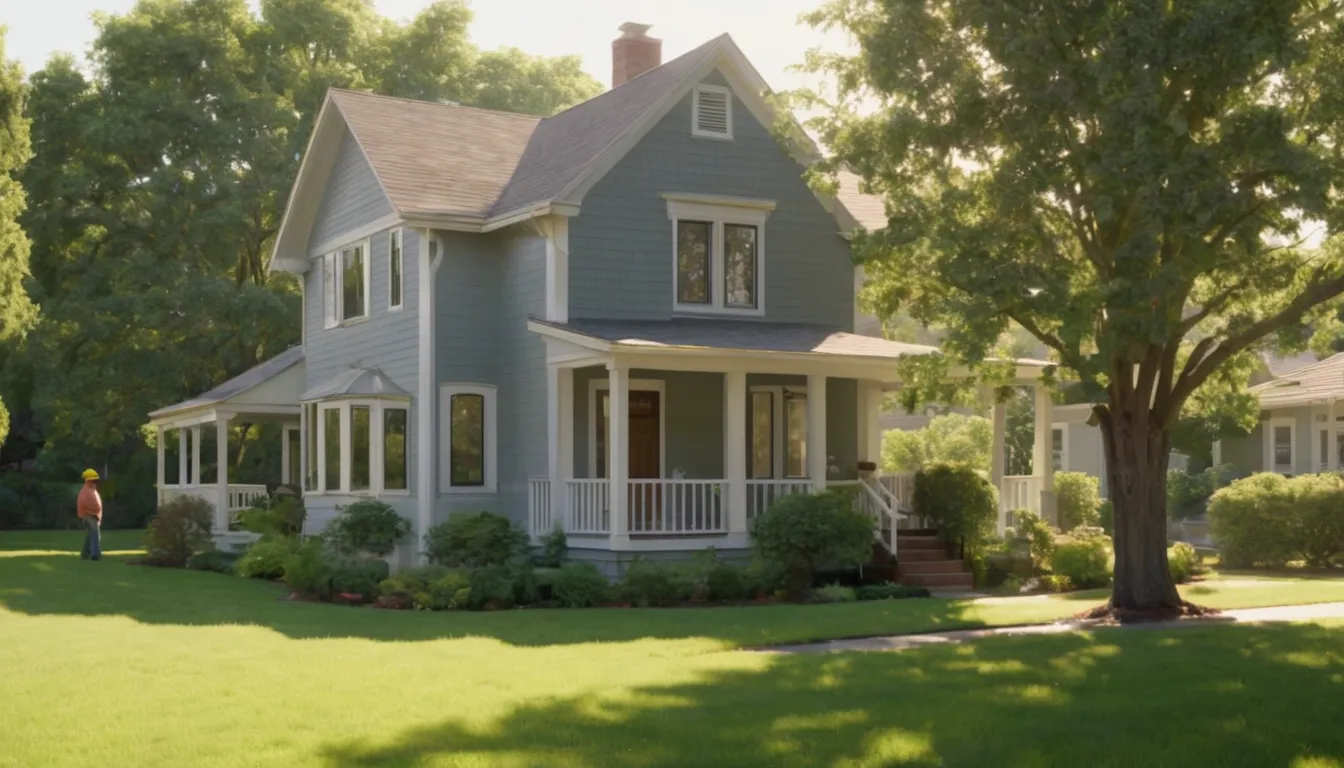
Take a breath. A tree that leans, drops limbs or crowds your house is stressful, and more so when the house has a few decades behind it. Old roofs, past repairs and tight yards all call for a gentle hand.
Kitloans Tree Service is a referral service. We connect homeowners in the Wildwood area with independent local providers who do the work. We do not remove trees ourselves. You can ask questions, share your photos and notes, and compare estimates at your own pace. Nothing here pushes you to hurry or to say yes.
On this page you will find plain steps for older homes: what to look for, what to tell a provider, how to prepare your yard, and what typical costs look like. Use what helps. Skip what does not. When you are ready, request an estimate and a local provider can take a look.
Take a breath. Most tree problems are not as scary as they feel at 2 a.m. during a storm. Still, some signs mean you should act soon.
Look for a trunk that is leaning more than before, a limb hanging over the roof, or fresh cracks in the bark. Roots lifting a walkway or a porch step also matter.
If a tree has already fallen on your house or blocks a door, step away from it. Stay clear of any wires. Then reach out to a provider for help.
Some situations are urgent. A split trunk, a tree resting on a roof, or a limb tangled in power lines needs attention quickly.
In those cases, request a callback to check provider availability. Many providers can respond quickly, but hours and schedules vary.
Other trees give you time. A dead top, mushrooms at the base, or thinning leaves in summer are warning signs, not emergencies.
Use that time well. Get two or three estimates. Ask questions. You will feel calmer making a choice with room to think.
An older frame house has stories inside it. The roof may have been patched twice. A porch may sit on old footings. A chimney may lean a little.
A falling limb or a heavy crane line can stress those spots. Good providers look at the house as well as the tree.
Tell them what you know about past repairs. Even small details help them plan where the tree should land.
Older basements often have sump pumps, drain lines and clay pipes. Roots can wrap around these over the years.
Cutting a tree down is one thing. Pulling roots out is another. Ask the provider how they will protect buried lines.
Deep frost can crack trees that were already weak. Hot, humid summers and strong storms add more strain.
Spring flooding can soften soil, so a tree may lean without warning. Mention any of this when you describe the problem.
The steps are simple. A provider visits and looks at the tree, the yard and the house. They explain the plan and give a written quote.
On the day, the crew sets up safety gear and either cuts the tree down in sections or fells it whole, depending on space. Branches are chipped or hauled. Wood is cut to length if you want it.
This is where you can help yourself most. Take photos of the whole tree, the base, and any damage. Photograph the roof and the spot where the tree could fall.
Write down when you first noticed the problem. Note any past work on the roof, fence or pipes.
Providers can often help document damage for a claim. Your own notes make that easier.
Some policies may cover sudden damage from a fallen tree. Rules differ, so check your policy or ask your agent.
Keep your photos, quotes and receipts together in one folder. That small habit saves headaches later.
Size, location and risk drive the cost. A tall tree over a roof costs more than a small one in an open yard.
Power lines, tight access and dead or rotting wood also add to the work. See the cost table below for typical ranges. Always ask for a written quote.
Some towns require a permit to remove certain trees, especially large or protected ones. Trees near a property line may involve a neighbor.
Ask the provider what your area needs. Check with your city or town office if you are unsure.
Ask if the provider carries insurance and can show proof. Ask who will be on site and how they protect the roof and yard.
Compare more than price. A clear written quote, a calm manner and good answers matter just as much.
Move cars out of the driveway. Clear patio furniture, toys and planters from the work area.
Tell neighbors the day before. Keep pets indoors. If a shed or old fence stands near the tree, point it out.
Walk the yard with the provider. Check the roof, gutters and fence for new damage. Take after photos.
Decide what to do with the stump and the wood. A grinding visit can come later. Older yards also settle, so fill any low spots over time.
You do not have to figure this out alone. Request a callback to talk with a provider about your tree, your house and the right next step for you.
Providers cut and lower the tree in sections when needed, protecting roofs, fences and gardens near your older home.
Hanging, cracked or storm-damaged limbs can be taken off, easing the strain on your roof.
Branches and debris are chipped or hauled away, so your yard is tidy when the work is done.
A provider looks at roots, pipes, wires and roof condition before choosing how the tree comes down.
Prices vary a lot by tree size, access and risk. These are typical U.S. ranges only. Your local quote may differ, so always ask for a written quote before work starts.
| Item | Typical range | Notes |
|---|---|---|
| Small tree (under 30 ft) | $200 – $700 | Open yard, easy access |
| Medium tree (30–60 ft) | $600 – $1,500 | Most common household job |
| Large tree (60+ ft) | $1,200 – $3,000 | May need a crane or climbing |
| Tree near house or wires | $1,500 – $4,500 | Extra care and rigging |
| Storm-damaged tree | $1,000 – $4,000 | Depends on damage and access |
| Stump grinding add-on | $100 – $600 | Priced by stump size |
Request a callback or send a request. Tell us about the tree and your house.
Take a few clear pictures and write down what you have noticed and when.
A provider visits, explains the plan and gives you a written quote to review.
Pick the provider you feel comfortable with, then set a date that suits your household.
We help you slow down, sort your options and understand each step before you decide.
We point you to providers who understand aging roofs, past repairs and hidden surprises.
Simple tips help you gather photos, notes and records before your first estimate.
You choose the provider. Asking questions and comparing quotes is always welcome.
Tell us about your tree and your home. A local provider can follow up with a written quote. No pressure and no obligation.
No obligationMost jobs fall between a few hundred and a few thousand dollars in the U.S. Size, access, wires and the condition of the tree all matter. Ask for a written quote so you can compare clearly.
Some policies may cover sudden damage, such as a tree falling on your house. Routine removal often is not covered. Check your policy and keep photos and notes.
It depends on where you live. Some towns require permits for large or protected trees. Ask the provider and check with your local office, especially if the tree is near a property line.
Tell us about your tree and your home. A local provider can follow up with a written quote. No pressure and no obligation.
No obligation